This page is the order you actually do things in: choose a variety, sow indoors, move the plant outside in one of two windows, keep it fed and watered through a Florida summer, and pick without hurting yourself. Every number below is attributed to the page it came from. Where the published sources disagree with each other, and on jalapeño heat they do, the argument lives on Growing hot peppers in Central Florida.
Choose the variety before you choose the date
Heat and days to harvest are variety properties, so this is the decision that sets everything after it. The Scoville scale itself is a capsaicin measurement, invented by Wilbur Scoville in 1912 and running from zero to over a million units, as Ask IFAS TR010 describes it.
| Variety | Species named | Published heat | Source |
|---|---|---|---|
| Bell | Capsicum annuum | Zero Scoville units | TR010 |
| Jalapeño | Capsicum annuum | 2,000 to 8,000, averaging about 5,000 | TR010 |
| Serrano | Capsicum annuum | 10,000 to 25,000 | TR010 |
| Cayenne | Capsicum annuum | 25,000 to 50,000 | TR010 |
| Datil | Capsicum chinense | 100,000 to 300,000 | UF/IFAS Datil Peppers |
| Habanero | Capsicum chinense | 100,000 to 350,000 | TR010, HS732/CV130 |
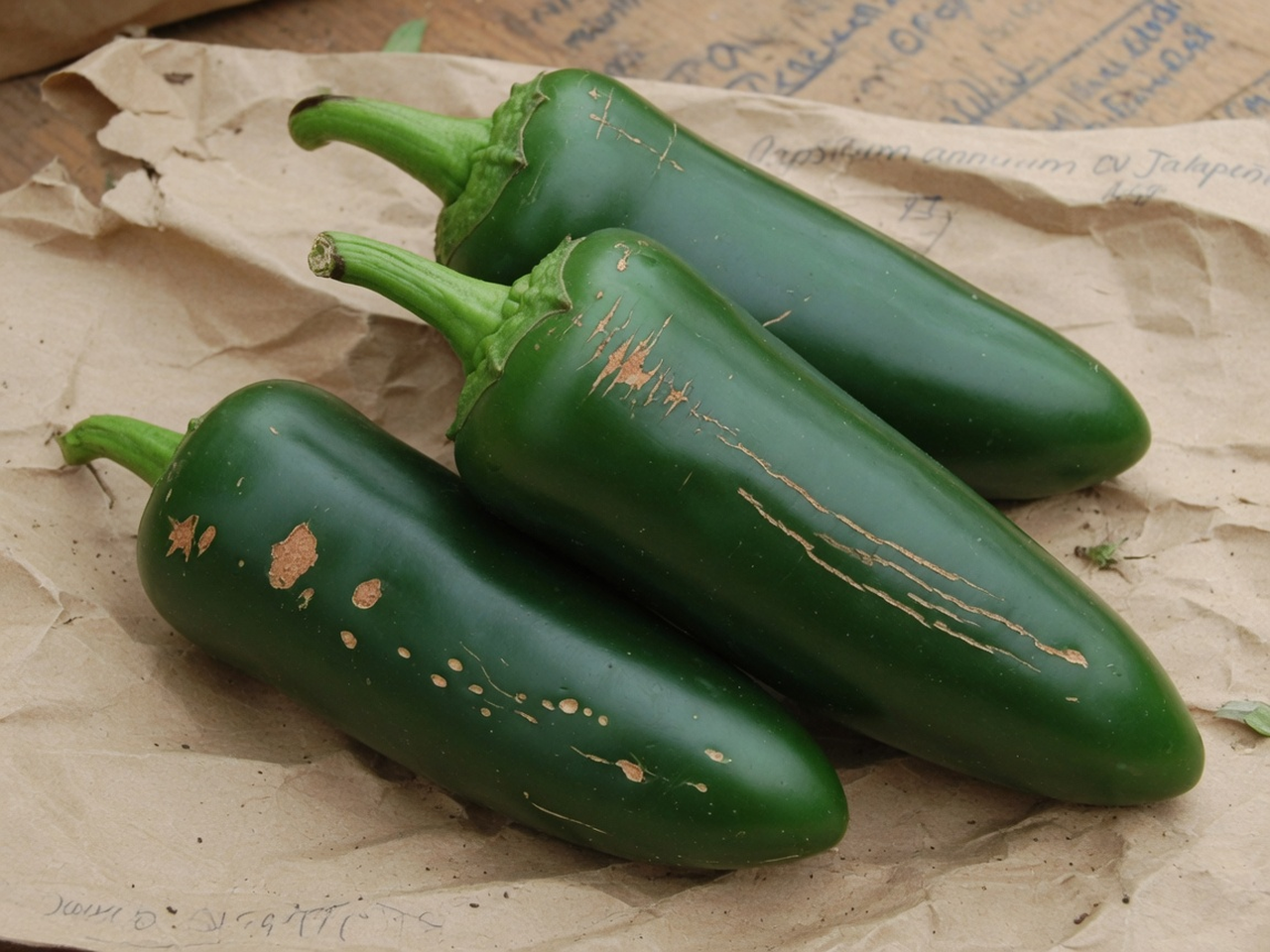
Two practical notes from those pages. A jalapeño runs 2 to 3 inches long and turns from green to red, so a green one is an unripe one. HS732 lists its habanero type at 90 to 100 days from transplant, longer than the general pepper figure, which is worth knowing before you plant one in a late window. Variety cards are at varieties.
The two Central Florida planting windows
HS732, published as CV130, prints a planting-date table by region. Central Florida gets two slots.
| Region | HS732 planting dates |
|---|---|
| North Florida | July to Aug; Feb to Mar |
| Central Florida | Aug to Sept; Jan to Mar |
| South Florida | Aug to Feb |
UF/IFAS Gardening Solutions arrives at the same place from the gardener's side: start seed indoors in late winter for planting out after the last spring frost, and start again in midsummer for an early fall planting in August and September. Those are the dates. They are not a frost forecast, and this page does not publish one.
Start the seed indoors
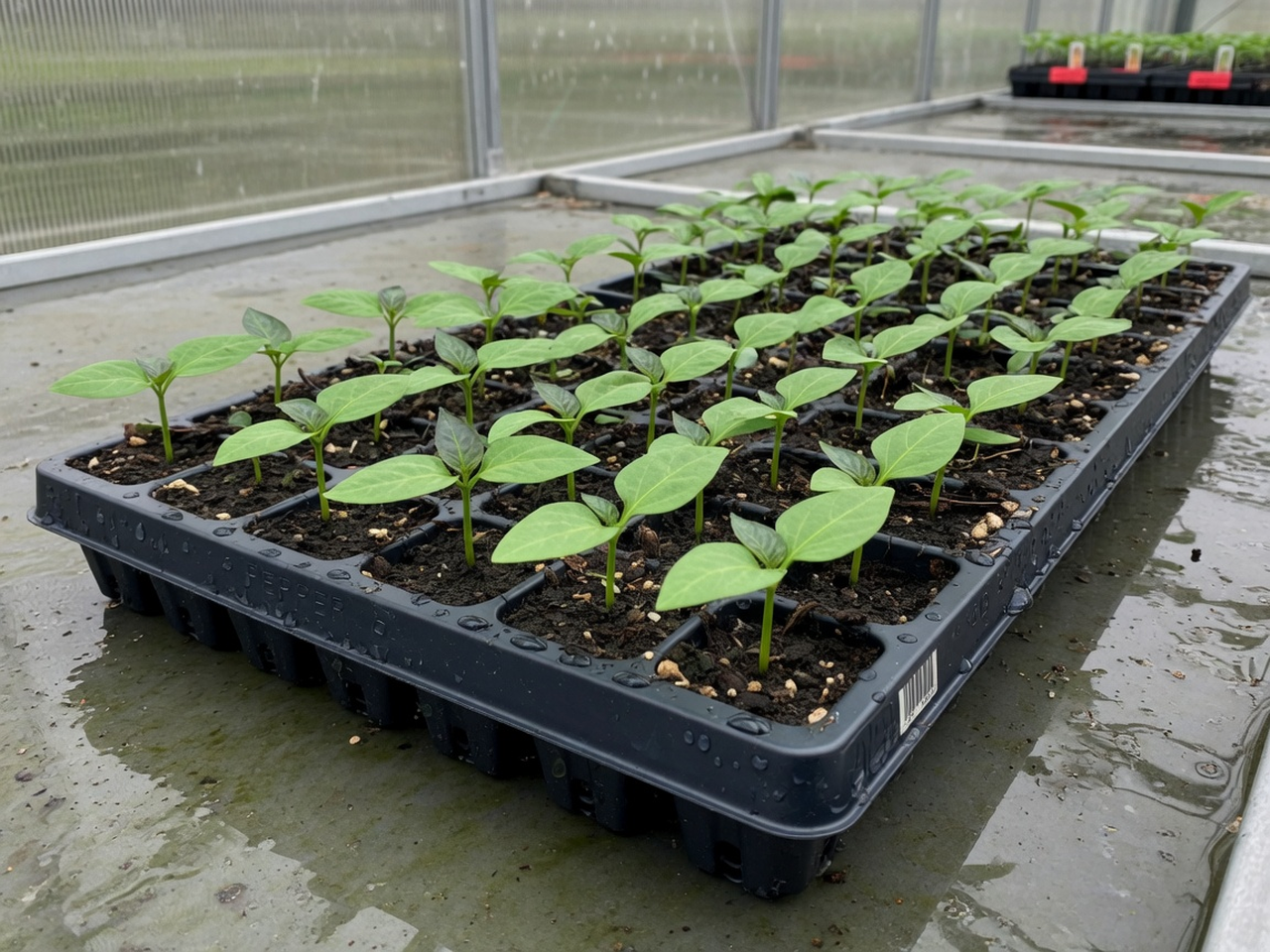
UF/IFAS gives a specific reason for this rather than a preference: pepper seed is small enough to be washed away by watering if you sow it straight into the garden. You can buy transplants instead, and for one or two plants that is the sane choice. Seed is how you get the varieties nobody stocks locally.
- Sow into cells of well-drained media rather than garden soil, on the indoor schedule above.
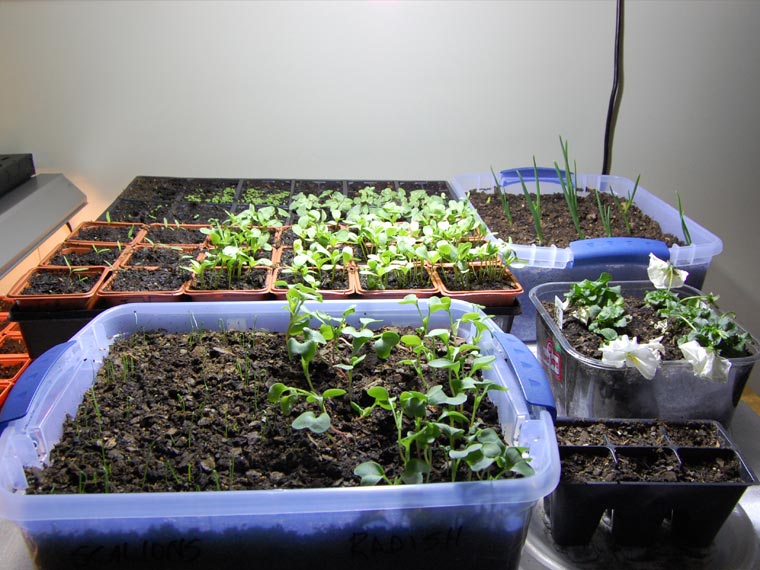
- Give the tray light. A south or west windowsill can carry a small number of seedlings; past about a dozen you want light overhead. That comparison has its own page: grow light vs windowsill.
- Pot up as seedlings outgrow the cells, so roots are not circling when they go out.
- Transplant after the last spring frost for the winter start, or in August and September for the fall planting.
- Expect 65 to 75 days to maturity from transplant, which is the figure in the HS732 planting-information table. A habanero wants 90 to 100.
For what goes in a first tray, see the seed-starting kit and the fuller list under kits and tools.
Sun, and the one exception
Peppers want full sun, and UF/IFAS says hot peppers keep producing as Florida temperatures and humidity climb, which is why they hold a summer garden when other crops quit. Datil is the documented exception and it is a large one. The UF/IFAS Datil Peppers page says datil prefers 60% to 70% shade with well-drained soil. Do not carry a full-sun rule onto a datil.
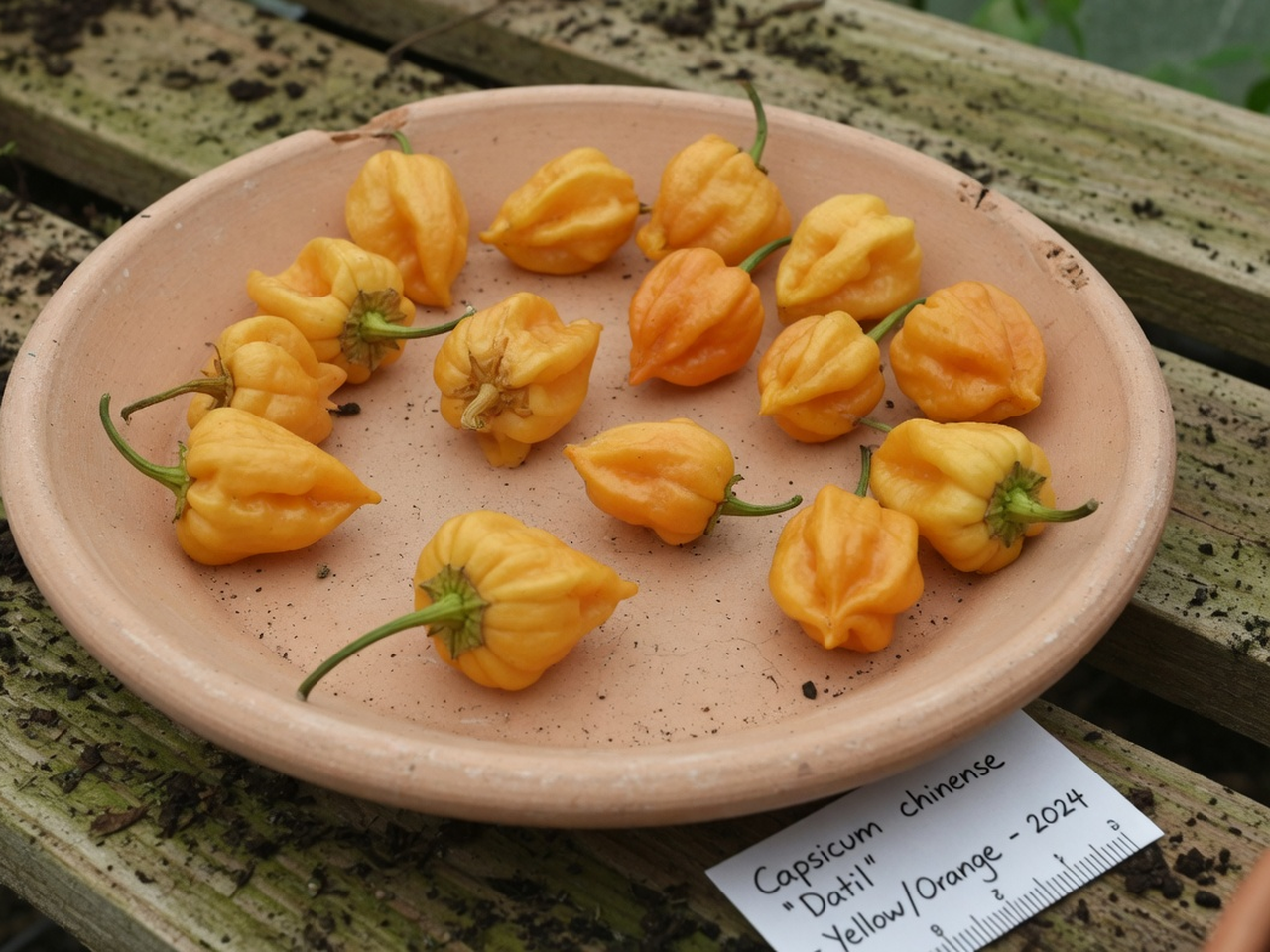
Datil is also the pepper with a stated Florida range beyond its home county. UF/IFAS says it can be grown throughout the state from seed or transplant, calls it a good option for a summer garden because it keeps growing as temperatures rise, and puts its planting after the last frost in February or March.
Container or bed
Both work, and the choice is mostly about how much ground you have. In a container, use well-drained potting media. In a bed, Florida sand wants organic matter worked into it. The Datil Peppers page names raised beds or a pot as equally fine and points out that a pot is the convenient answer in a small space.
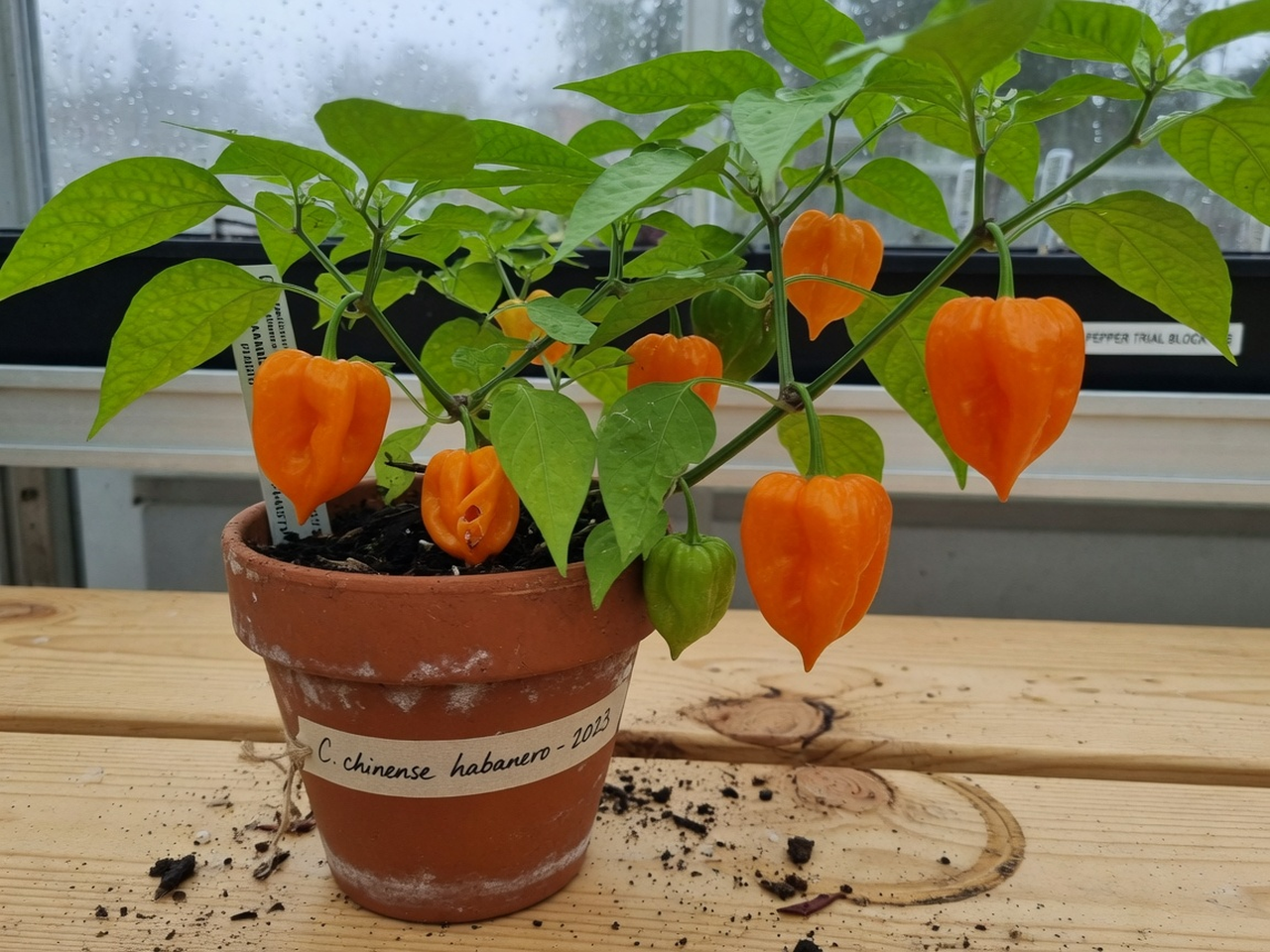
Size the container to the plant rather than to the seedling. A datil is an annual that reaches 1.5 to 5.5 feet tall with fruit from half an inch to 4 inches long. Spacing in a bed depends on the variety, so read the packet, and plan on staking: UF/IFAS notes that as fruit begins to weigh plants down, staking keeps them upright. A tomato cage bought in advance is easier than propping a loaded plant in August.
Water and feeding
UF/IFAS puts pepper soil pH at around 6.5 and asks for moist but not wet soil, with regular watering to keep plants setting fruit and mulch to hold moisture as temperatures climb. Hot peppers are described as relatively drought tolerant, and then in the same breath as needing regular water to stay productive. Both are true: the plant will survive dry spells and stop giving you peppers.
Feed at planting, then two or three more times across the season, or use a controlled-release fertilizer for the whole run. There is one reversal to remember. Once plants start setting fruit, cut the nitrogen back, because UF/IFAS says too much nitrogen in the soil causes peppers to produce fewer fruits. The overfeeding failure is covered further on soil and fertility.
Pests
The UF/IFAS Datil Peppers page names the two that matter most in a Florida pepper patch: aphids and pepper weevils. The weevil is the one that hurts. It inserts an egg at the base of the fruit, and the larvae then cause the peppers to drop, so the first symptom you notice is fruit on the ground rather than an insect on a leaf. Walk the plant in a fixed order and name what you find before you treat anything. There is a walkthrough for that on pest ID.
When to pick
UF/IFAS gives one test that covers most of the garden: peppers are ready when they are firm and crisp, about 60 to 80 days after transplanting, or 80 to 100 days after planting seed. Colour is a choice, not a deadline, for a bell, which you can cut green or leave to finish red, yellow, orange, or brown depending on the variety. A fully ripened pepper is sweeter than the same pepper picked green.
The hot varieties keep their own schedules. HS732 puts a habanero at 90 to 100 days from transplant. For datil, UF/IFAS says plants begin producing three to five months after planting, with a harvest season that normally runs July through November, and notes datils can be picked while still green.
Handling hot fruit
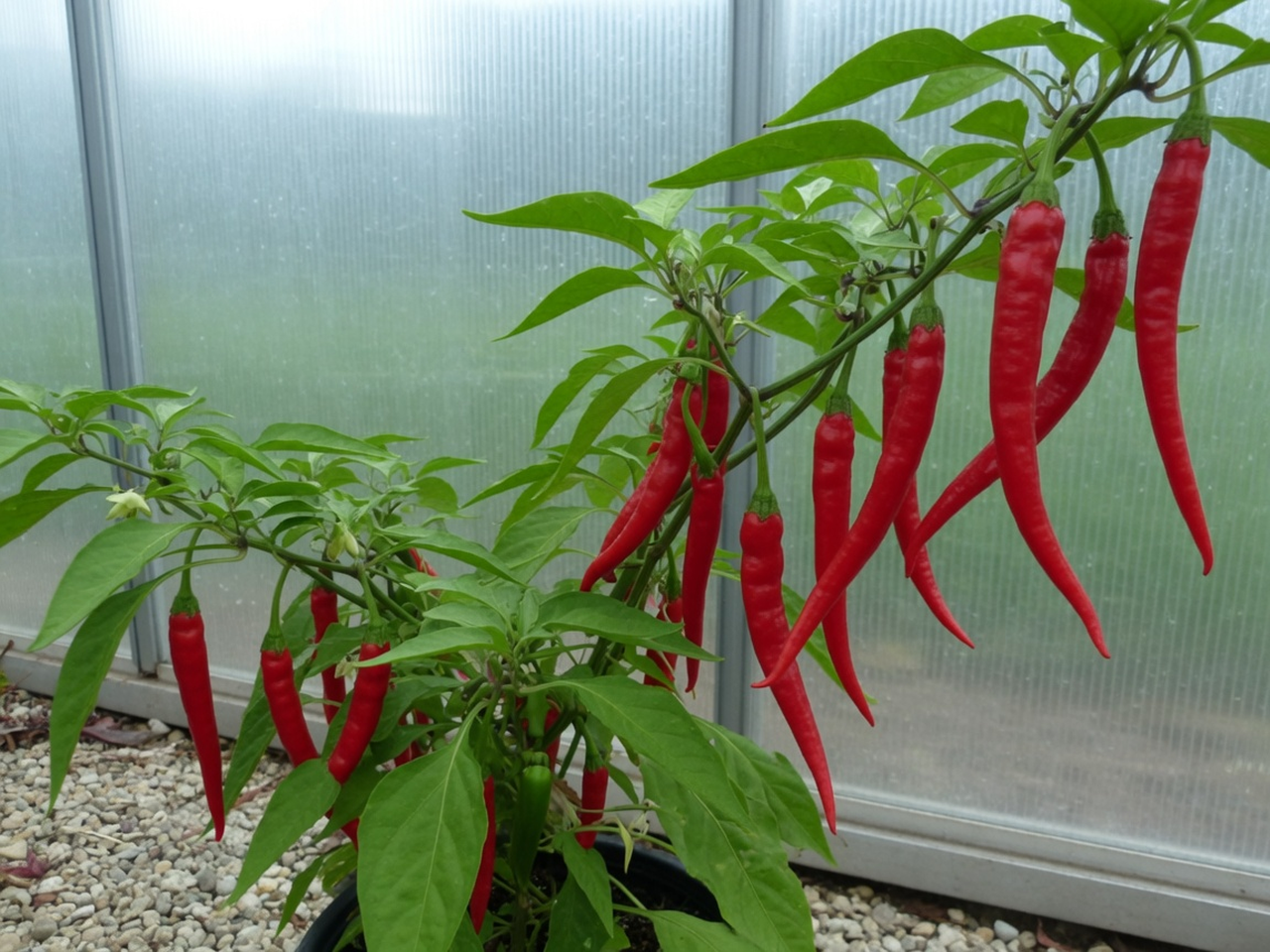
This is the part of a pepper guide that is not optional. UF/IFAS says the same compound that gives hot peppers their heat can cause painful irritation in eyes and on skin, and the Datil Peppers page strongly recommends wearing gloves when harvesting and handling. It also gives siting advice for the same reason: put hot pepper plants away from walkways and patios, and away from spots easily reachable by children and pets, because the fruit and plants irritate skin and eyes and may cause stomach upset if a whole pepper is eaten. Decide where a habanero goes with that in mind, not after.
Sources
- UF/IFAS Gardening Solutions, Peppers. gardeningsolutions.ifas.ufl.edu/plants/edibles/vegetables/peppers/
- UF/IFAS Gardening Solutions, Hot Peppers. gardeningsolutions.ifas.ufl.edu/plants/edibles/vegetables/hot-peppers/
- UF/IFAS Gardening Solutions, Datil Peppers. gardeningsolutions.ifas.ufl.edu/plants/edibles/vegetables/datil-peppers/
- Ask IFAS HS732 / CV130, Chapter 13. Pepper Production. edis.ifas.ufl.edu/publication/CV130
- Ask IFAS TR010, Pepper Production in Miami-Dade County, Florida. edis.ifas.ufl.edu/publication/TR010
The longer walkthrough, including where the published heat ranges disagree, is Growing hot peppers in Central Florida. Variety by variety: varieties. What to buy for a first tray: kits.